What makes packaging shelf-ready?
Rather than unpacking each item onto the shelf, a retail team can open the outer and display the products together. The opening must be clear, the remaining tray must hold the contents, and shoppers must be able to see and remove individual products.
FEFCO describes five practical requirements for SRP: straightforward identification, opening, shelf placement, shopper access and disposal for recycling. Use these as design checks alongside the receiving retailer’s own specification.
Choose the structure around the packing operation
A glued crash-lock base can suit a hand-packing operation where the box needs to be opened and formed before filling. A two-part design uses a base to present the products and a removable lid for protection during transit. Machine-erect packs need to match the equipment that forms, fills and closes them.
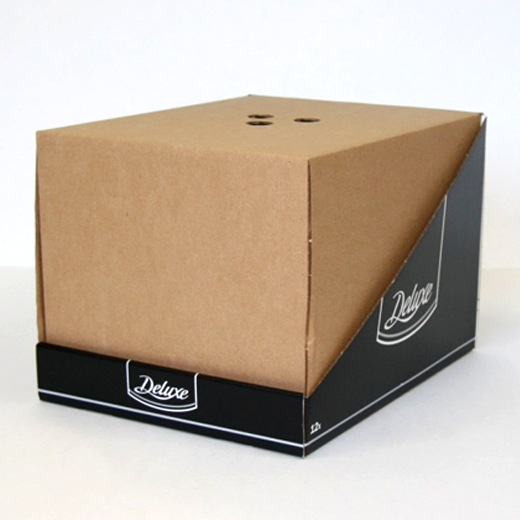
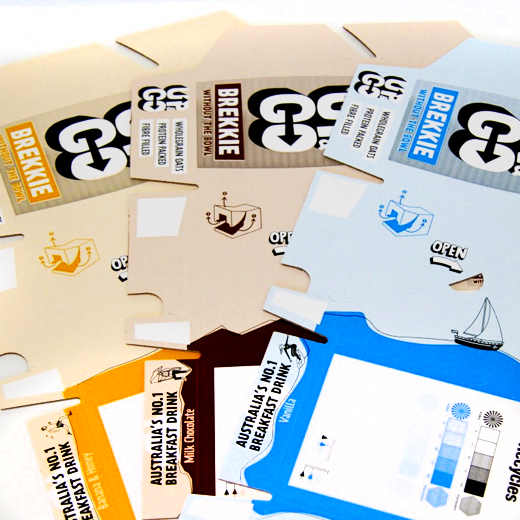
Our existing examples show these different approaches. Tesco Finest and The Chia Company use perforated sides and crash-lock bases. Lidl Deluxe uses a separate base and lid. UP & GO uses machine-erect wrap SRP. We can help select the construction around your product and packing process.
Balance the opening with transit protection
Perforations and cut-outs affect how a pack behaves before it reaches the shelf. A tidy opening alone is not enough: the filled pack also needs to tolerate its intended handling, stacking and distribution conditions.
Share the filled weight, product arrangement, pallet pattern, storage conditions and any retailer testing requirements with the design team. Agree a sample and an appropriate trial before committing to a new production specification.
Print for both the warehouse and the shelf
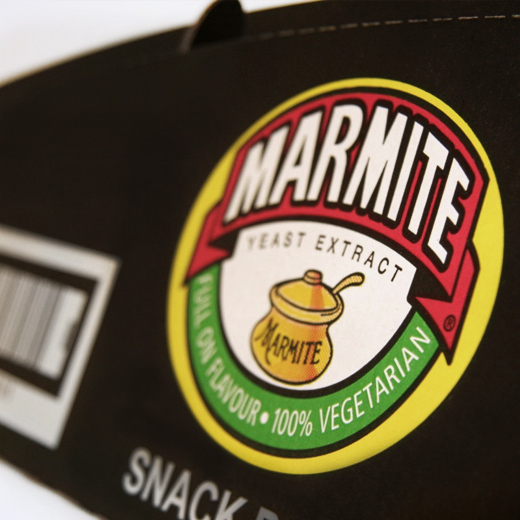
Plan the artwork for the closed pack and the display that remains after opening. Keep the product variant identifiable in storage, show the opening method clearly, and check which branding remains visible at shelf level.
Supply the retailer’s requirements for case identification, barcode position, shelf dimensions and artwork approval. Requirements can vary by retailer and product; a previous supermarket pack does not establish approval for a new one.
Build a useful SRP brief
- Product samples or dimensions, filled weight and the number of items per pack.
- The retailer’s packaging specification and any shelf or case-size constraints.
- Whether packing is manual or automatic, with machine details where relevant.
- Expected order quantities, variants, launch timing and delivery requirements.
- Artwork, opening instructions and the testing or approval steps needed.